What is Retinal Detachment?
Retinal detachment is a serious eye condition. It happens when the retina, a thin layer at the back of your eye, pulls away from its normal position. Because the retina helps you see, this problem can cause vision loss. Early treatment is important. If you notice any changes in your vision, you should act quickly. Retinal detachment is considered an eye emergency. According to the World Health Organization, fast care can help save your sight.
Common Causes
Several factors can lead to retinal detachment. Sometimes, it happens without warning. However, knowing the causes can help you stay alert. Common causes include:
For example, people over age 50 are at higher risk. If you have had an eye injury, your risk also increases.
Key Warning Signs and Symptoms
Recognizing early signs of retinal detachment can save your vision. Not all symptoms are painful, so you must pay close attention. Watch for these warning signs:
Sometimes, these symptoms come on quickly. If you notice any of them, seek help right away. Early signs of retinal detachment are an eye emergency.
Diagnosis
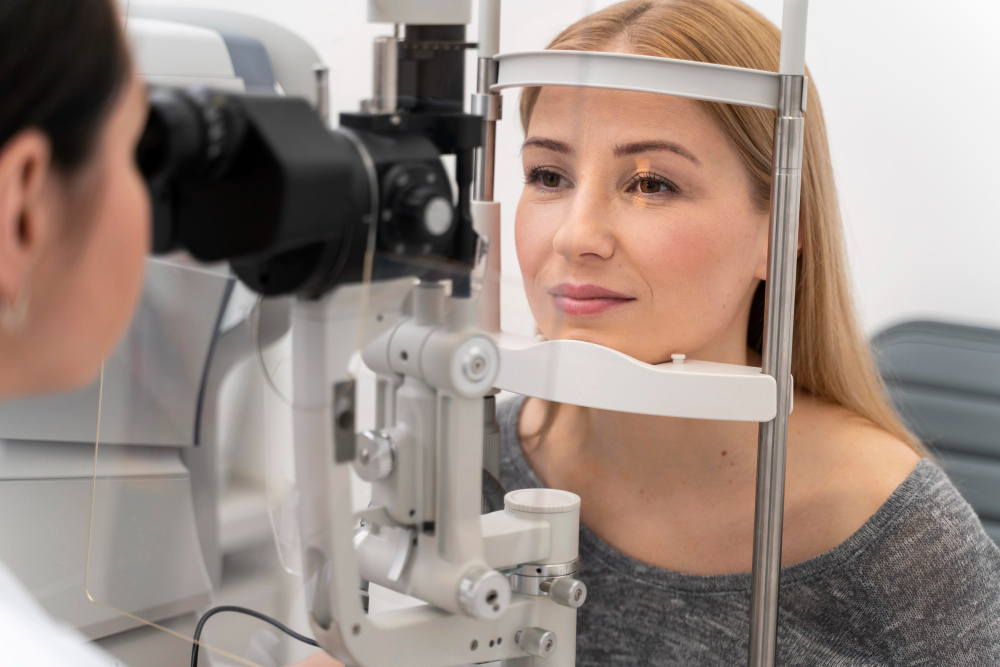
Doctors use special tools to check for retinal detachment. First, your eye specialist will ask about your symptoms. Next, they will examine your eyes with a bright light and a lens. This test lets them see the retina clearly. In some cases, they may use ultrasound if the view is blocked. Quick diagnosis is key. The Centers for Disease Control and Prevention (CDC) recommends seeing an eye doctor as soon as possible if you notice symptoms.
Treatment Options
Treatment for retinal detachment depends on the type and severity. However, all cases need fast care. Common retinal detachment treatments include:
Most people need surgery. The sooner you get treatment, the better your chance of saving your vision. If you are looking for retinal detachment treatment in your area, contact a local eye clinic.
Prevention and Lifestyle Tips
While you cannot always prevent retinal detachment, you can lower your risk. Here are some helpful tips:
Additionally, avoid rubbing your eyes hard. If you play sports, always use protective gear. These steps can help keep your eyes healthy.
When to Seek Medical Help
If you notice any warning signs of retinal detachment, do not wait. Seek medical help immediately. Early treatment can prevent permanent vision loss. Even if symptoms seem minor, it is better to be safe. Remember, retinal detachment is an eye emergency. Quick action can make a big difference.
If you notice any warning signs of retinal detachment, consult an eye specialist immediately for personalized care.