What is Ptosis?
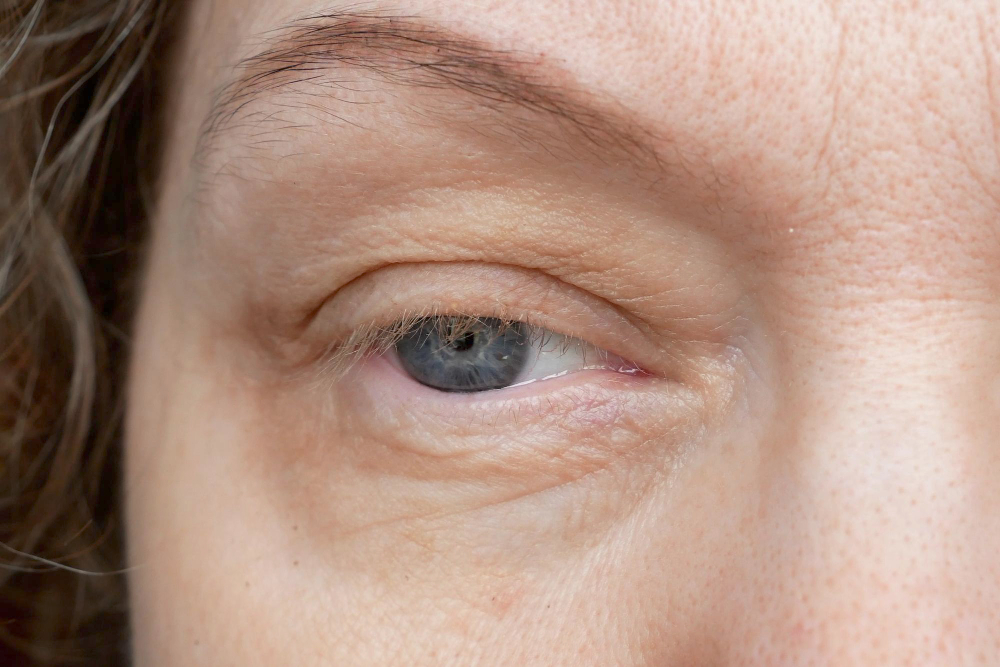
Ptosis is the medical term for drooping of the upper eyelid. This condition can affect one or both eyes. Sometimes, people call it “eyelid drooping.” Ptosis can happen at any age, but it is more common in older adults. However, children can also have ptosis. The drooping may be mild or severe. In some cases, it can block vision. Because of this, ptosis can affect daily life and eye health. According to the American Academy of Ophthalmology, ptosis is not always a sign of a serious problem. Still, it is important to know the causes and treatment options.
Common Symptoms of Ptosis
Ptosis symptoms can vary from person to person. Often, the main sign is a drooping eyelid. However, other symptoms may appear. For example, you might notice:
In children, ptosis symptoms may include tilting the head back to see better. Sometimes, children may develop vision problems if ptosis is not treated.
Causes and Risk Factors
There are several causes of ptosis. Sometimes, it is present at birth. This is called congenital ptosis. In other cases, ptosis develops later in life. This is known as acquired ptosis. Common causes and risk factors include:
Because ptosis can sometimes signal a serious health issue, it is important to seek medical advice if you notice new eyelid drooping.
How Ptosis is Diagnosed
Doctors use several steps to diagnose ptosis. First, they ask about your symptoms and medical history. Next, they perform a physical exam of your eyes. Often, they measure how much the eyelid droops. In some cases, doctors may use special tests to check eye muscles and nerves. For example, they might order blood tests or imaging scans. These tests help rule out other causes of eyelid drooping. According to the CDC, early diagnosis can help prevent vision problems, especially in children.
Treatment Options for Ptosis
Treatment for ptosis depends on the cause and how much it affects your vision. Sometimes, mild cases do not need treatment. However, if ptosis blocks your sight or causes discomfort, your doctor may suggest:
For children, early treatment is important to prevent vision loss. Your eye specialist will discuss the best ptosis treatment options for you or your child.
Lifestyle Tips and Prevention
While you cannot always prevent ptosis, some steps may help protect your eye health. For example:
Although these tips cannot stop all cases of ptosis, they can lower your risk of eye problems.
When to See an Eye Specialist
It is important to see an eye specialist if you notice new or worsening eyelid drooping. In addition, seek help if ptosis affects your vision or daily life. Sometimes, sudden ptosis can signal a serious health issue. For example, it may be linked to nerve problems or stroke. Therefore, do not delay in getting medical advice. Early care can help protect your eyesight and overall health.
In summary, ptosis is a treatable condition. However, it is important to get the right diagnosis and care. Consult an eye specialist for personalized advice about ptosis.