What Is Presbyopia?
Presbyopia is a common eye condition that affects people as they age. It makes it hard to see things up close. Usually, presbyopia starts to appear after age 40. Because of this, many people notice age-related vision changes. Although it is a natural part of aging, presbyopia can be managed with the right care. According to the World Health Organization (WHO), presbyopia is one of the most common vision problems worldwide.
Common Symptoms of Presbyopia
Many people first notice presbyopia when reading or doing close work. For example, you may need to hold a book farther away to see the words clearly. Other signs can appear as well. Here are some common presbyopia symptoms:
However, these symptoms can develop slowly. If you notice any of them, it is important to get your eyes checked.
Causes and Risk Factors
Presbyopia happens because the lens inside your eye becomes less flexible with age. As a result, your eyes cannot focus on close objects as easily. While aging is the main cause, some risk factors can make presbyopia worse. For instance, certain health conditions or medications may affect your vision. Here are some common risk factors:
Even though you cannot prevent aging, knowing these risks can help you manage presbyopia better.
How Presbyopia Is Diagnosed
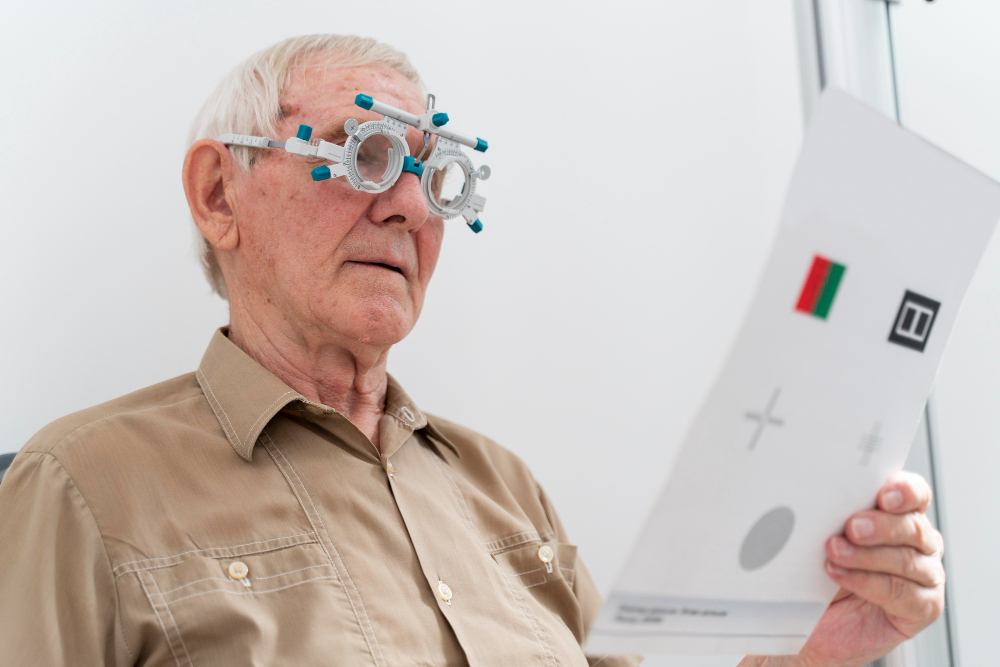
Eye doctors use simple tests to diagnose presbyopia. Usually, a complete eye exam is enough. During the exam, your doctor will check how well you see at different distances. They may also ask about your symptoms and medical history. In some cases, special tests can help rule out other eye problems. Because presbyopia is common, regular eye exams are important after age 40. Early diagnosis can help you find the best presbyopia treatment options.
Treatment Options for Presbyopia
There are many ways to treat presbyopia. Your doctor will suggest the best option based on your needs. Here are some common presbyopia treatment options:
Because everyone’s eyes are different, it is important to talk to your doctor about the best way to manage presbyopia.
Lifestyle Tips and Prevention
While you cannot stop presbyopia, you can make daily life easier. For example, good lighting can help you read more comfortably. Here are some tips to manage presbyopia:
Additionally, protecting your eyes from sun damage may help keep them healthy. Although presbyopia is a normal part of aging, these steps can help you see better every day.
When to See an Eye Specialist
If you notice sudden changes in your vision, see an eye specialist right away. For instance, if you have pain, redness, or loss of vision, do not wait. Even if your symptoms are mild, regular check-ups are important. Early care can help you find the best way to manage presbyopia. Remember, your eye doctor can answer your questions and suggest the right treatment.
Consult an eye specialist for personalized advice on managing presbyopia.