
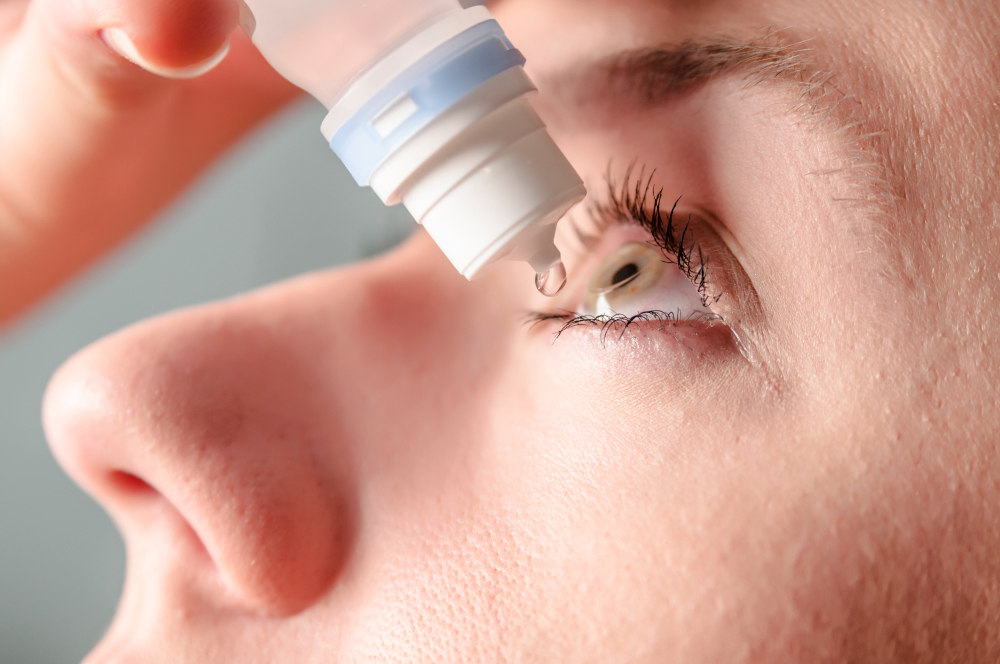
What Are Artificial Tears?
Artificial tears are special eye drops that help keep your eyes moist. Many people use artificial tears to relieve dry, itchy, or burning eyes. These drops are safe for most people and easy to use. In fact, artificial tears are often the first choice for treating dry eyes.
Common Symptoms and Conditions Treated with Artificial Tears
Many eye problems can make your eyes feel dry or uncomfortable. For example, you may notice:
Often, artificial tears help with these symptoms. They are also used for conditions like dry eye syndrome, eye allergies, and after some eye surgeries.
Causes of Dry Eyes and When to Consider Artificial Tears
Dry eyes can happen for many reasons. For instance, you might spend long hours looking at screens. Sometimes, the air is dry or windy. Other times, aging, certain medicines, or health problems can cause dry eyes. If you feel discomfort or notice any symptoms, you may want to try artificial tears. However, if symptoms last more than a few days, see an eye doctor.
How Artificial Tears Work
Artificial tears add moisture to the surface of your eyes. As a result, they help wash away dust and soothe irritation. Some drops also help your eyes keep their natural tears longer. Because of this, your eyes feel more comfortable and less dry.
Types of Artificial Tears
There are several types of artificial tears. Each type works a bit differently. Here are the most common options:
For many, preservative-free artificial tears are the best choice for dry eyes, especially if you use them often.
How to Use Artificial Tears Safely
Using artificial tears is simple, but you should follow these steps for safe use:
Always follow the instructions on the label. If you use other eye drops, wait at least 5 minutes between each type.
Possible Side Effects and Precautions
Most people use artificial tears without problems. However, some may notice mild side effects, such as:
If these effects last or get worse, stop using the drops and talk to your doctor. Rarely, some people may be allergic to ingredients in the drops. If you notice swelling, severe pain, or vision changes, seek help right away.
Tips for Choosing the Right Artificial Tears
Choosing the best artificial tears for dry eyes can depend on your needs. Consider these tips:
In some areas, certain brands may be more available. Always check the label for safe ingredients.
Prevention and Lifestyle Tips for Dry Eyes
Besides using artificial tears, you can help prevent dry eyes with these steps:
These habits can make a big difference in keeping your eyes healthy.
When to Consult an Ophthalmologist
While artificial tears help many people, sometimes you need expert care. See an ophthalmologist if:
Early treatment can prevent more serious problems. For more information, visit trusted sources like the World Health Organization or the Centers for Disease Control and Prevention.
Consult an ophthalmologist for personalized advice on artificial tears and eye health.