
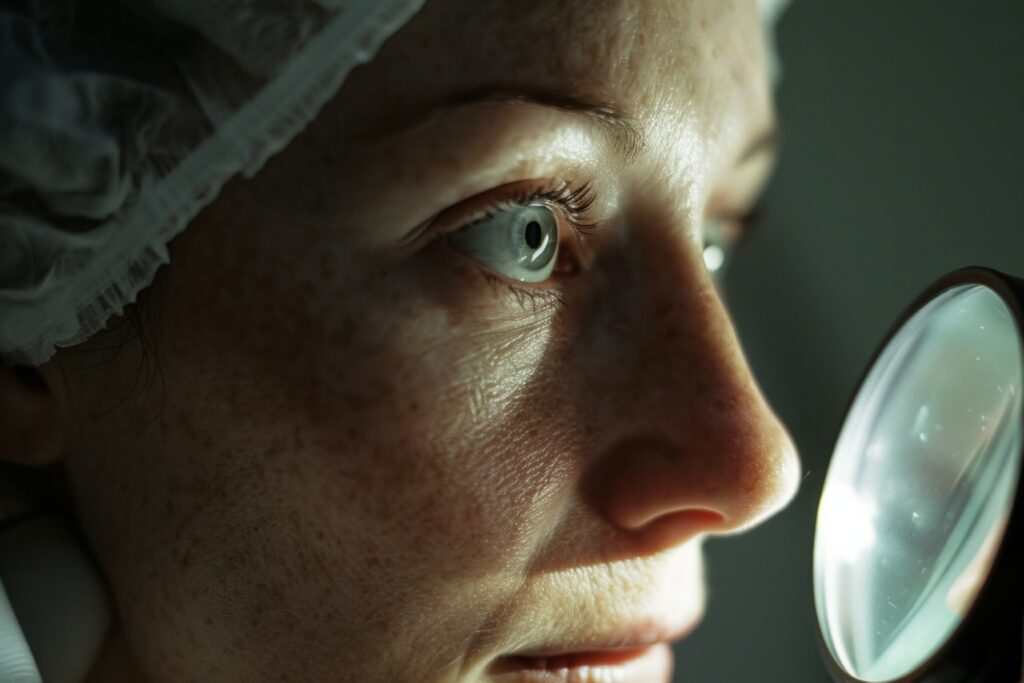
Introduction to Cataracts
Cataracts are a common eye problem, especially as people age. In fact, the World Health Organization notes that cataracts are a leading cause of vision loss worldwide. When you have a cataract, the clear lens in your eye becomes cloudy. As a result, your vision may get blurry or dim. Understanding the types of cataract can help you spot symptoms early and seek the right care.
What Are the Different Types of Cataract?
There are several types of cataract. However, the three main types are:
Each type affects a different part of the eye’s lens. Because of this, symptoms and treatment may vary. Let’s look at each type in simple terms.
Nuclear Cataract: Causes, Symptoms, and Diagnosis
Nuclear cataract forms in the center, or “nucleus,” of the lens. This is the most common type in older adults. Over time, the center of the lens becomes yellow or brown. As a result, you may notice changes in your vision.
Doctors diagnose nuclear cataract with a simple eye exam. They use a special light to look at your lens. If you notice these symptoms, it’s important to see an eye specialist.
Cortical Cataract: Causes, Symptoms, and Diagnosis
Cortical cataract starts at the edges, or “cortex,” of the lens. White, wedge-shaped spots form and move toward the center. Because of this, light scatters as it enters your eye.
Doctors can spot cortical cataract during a routine eye check. Early treatment can help prevent further vision loss. If you notice glare or trouble seeing at night, talk to your doctor.
Posterior Subcapsular Cataract: Causes, Symptoms, and Diagnosis
Posterior subcapsular cataract forms at the back of the lens. It often develops faster than other types. Because it sits near the path of light, it can affect vision quickly.
Doctors use a slit-lamp exam to diagnose this type. If you notice sudden changes in vision, see an eye specialist soon. Early care can make a big difference.
Treatment Options for Cataracts
Although early cataracts may not need treatment, your doctor will watch your eyes closely. If cataract symptoms get in the way of daily life, surgery is the main treatment. During surgery, the cloudy lens is removed and replaced with a clear, artificial lens. Most people see better soon after surgery. According to the CDC, cataract surgery is safe and very effective.
Prevention and Lifestyle Tips
While you can’t always prevent cataracts, healthy habits can help slow their growth. For example, you can:
Because early care matters, talk to your doctor about your risk.
When to See an Eye Specialist
It’s important to see an eye specialist if you notice:
Early diagnosis can help protect your sight. Even if you have no symptoms, regular eye checks are wise as you age.
In summary, knowing the types of cataract—nuclear, cortical, and posterior subcapsular—can help you spot problems early. Consult an eye specialist for personalized advice on cataract diagnosis and treatment.