What is Retinal Vein Occlusion?
Retinal vein occlusion is a common eye condition. It happens when a vein in the retina gets blocked. The retina is the thin layer at the back of your eye. It helps you see by sending images to your brain. When a vein is blocked, blood cannot flow out of the retina. As a result, swelling and bleeding can occur. This can quickly affect your vision. According to the American Academy of Ophthalmology, retinal vein occlusion is a leading cause of sudden vision loss in adults.
How Does Retinal Vein Occlusion Cause Sudden Vision Loss?
When a vein in the retina is blocked, blood and fluid build up. Because of this, the retina cannot work well. Swelling and bleeding damage the cells that help you see. Sometimes, the vision loss happens very quickly. In other cases, it may get worse over a few days. Either way, the blockage stops the retina from getting enough oxygen. This can lead to permanent vision problems if not treated soon.
Main Causes and Risk Factors
Several factors can increase your risk of retinal vein occlusion. Knowing these can help you protect your eye health. Common causes and risk factors include:
For example, people with heart disease or blood vessel problems are at higher risk. In addition, some medicines or health conditions can make blood more likely to clot. Because of these risks, regular check-ups are important for vision care.
Symptoms to Watch For
Retinal vein occlusion often causes sudden changes in vision. However, some people notice only mild symptoms at first. Watch for these signs:
If you notice any of these symptoms, seek help right away. Early treatment can prevent further vision loss.
Diagnosis: How Doctors Identify Retinal Vein Occlusion
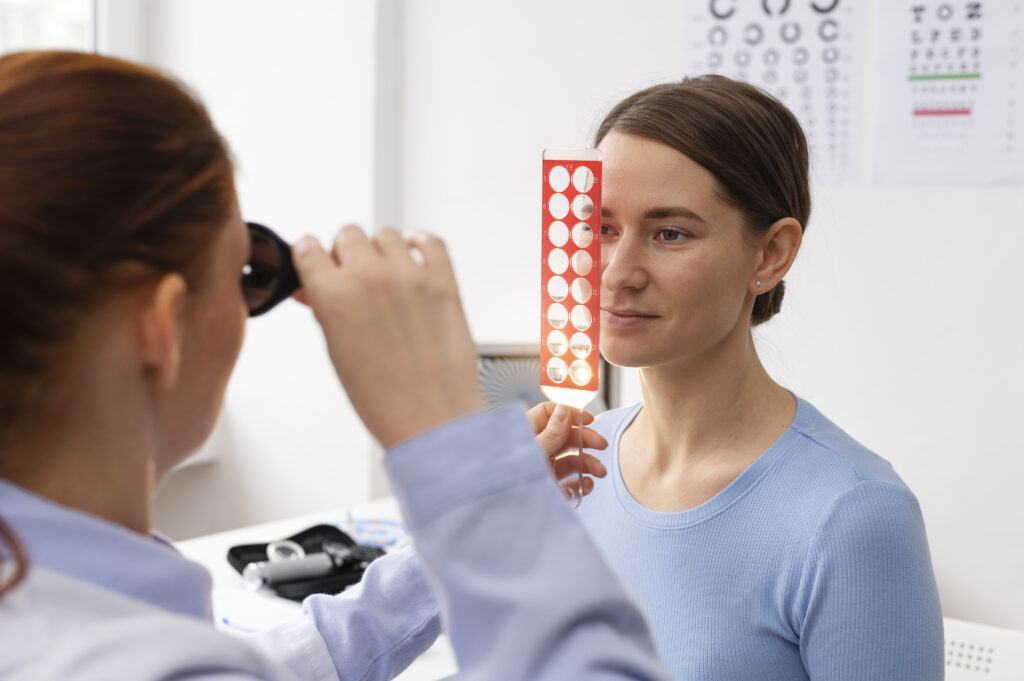
Doctors use several tests to diagnose retinal vein occlusion. First, they will ask about your symptoms and health history. Next, they will examine your eyes with special lights and lenses. Sometimes, they use eye scans or take pictures of your retina. In some cases, doctors use a dye test called fluorescein angiography. This helps them see blood flow in the retina. According to the CDC, early diagnosis is key for better outcomes.
Treatment Options
Treatment depends on the type and severity of the blockage. While some cases improve on their own, most need medical care. Common treatments include:
In addition, your eye doctor may suggest regular follow-up visits. Early treatment can help save your vision. If you are looking for retinal vein occlusion treatment in your area, search for local eye specialists or clinics.
Prevention and Lifestyle Tips
Although not all cases can be prevented, you can lower your risk. Try these healthy habits:
By making these changes, you support your overall eye health and vision care.
When to See an Eye Specialist
If you notice sudden vision changes, do not wait. See an eye specialist as soon as possible. Early care can prevent lasting damage. Even if symptoms seem mild, it is better to be safe. Eye doctors can check for retinal vein occlusion and start treatment right away.
If you notice sudden vision changes, consult an eye specialist for personalized guidance.