
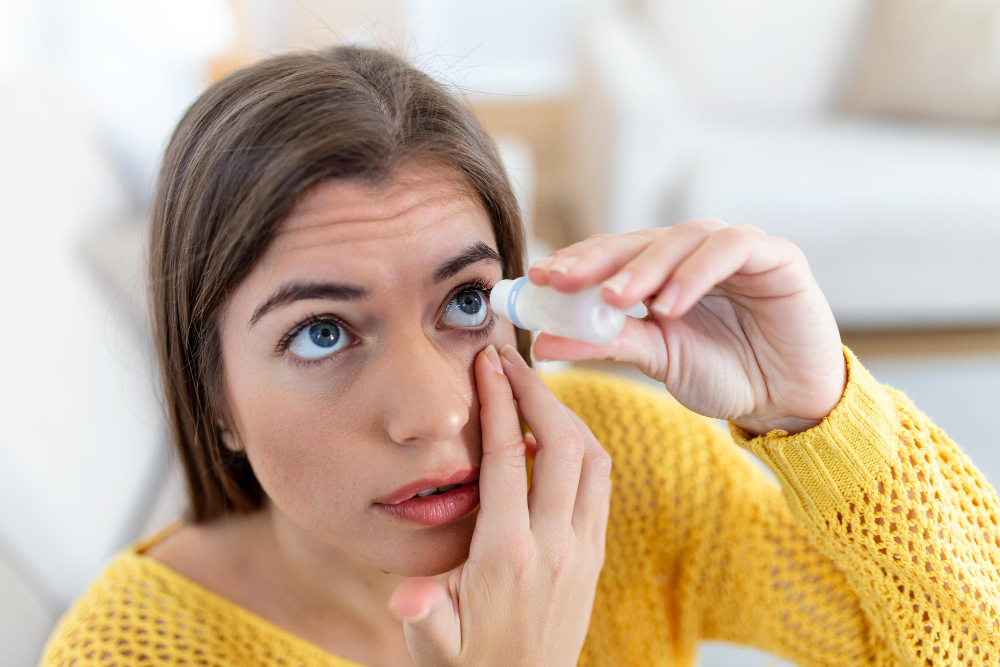
What is Conjunctivitis?
Conjunctivitis, also called pink eye, is an infection or swelling of the thin layer covering the white part of your eye. This layer is called the conjunctiva. When it gets inflamed, your eyes may look red and feel itchy. Sometimes, you may notice a sticky discharge. Conjunctivitis can affect one or both eyes. It is common and can spread easily, especially in crowded places.
Why is Conjunctivitis More Common in Winter?
During winter, conjunctivitis cases often rise. But why does this happen? First, cold air can dry out your eyes. Dry eyes are more likely to get infected. Also, people spend more time indoors in winter. This means germs can spread faster from person to person. In addition, winter viruses and colds are more common, which can lead to viral conjunctivitis. According to the CDC, viral infections are a leading cause of conjunctivitis in colder months.
Symptoms of Conjunctivitis in Winter
It is important to spot the signs early. Common symptoms of conjunctivitis in winter include:
However, not everyone will have all these symptoms. If you notice any of these, it is wise to take action quickly.
Causes and Risk Factors
Conjunctivitis can be caused by viruses, bacteria, or allergies. In winter, viral and bacterial cases are more common. Here are some main causes and risk factors:
For example, children and people with allergies are at higher risk. Also, wearing contact lenses can increase your chances if you do not clean them well.
Diagnosis and When to See a Doctor
If you think you have conjunctivitis, you should see a doctor for a proper diagnosis. Usually, a doctor can tell by looking at your eyes and asking about your symptoms. Sometimes, they may take a small sample of the discharge to find out what caused the infection. If your symptoms last more than a few days, or if you have pain, vision changes, or lots of swelling, seek medical help right away. Early treatment can prevent the infection from spreading.
Treatment Options
Treatment depends on the cause. For viral conjunctivitis, the infection often goes away on its own in one to two weeks. However, you can use cool compresses and artificial tears to ease discomfort. For bacterial conjunctivitis, your doctor may prescribe antibiotic eye drops. Allergic conjunctivitis can be managed with allergy medicines and avoiding triggers. Remember, never use someone else’s eye drops. Always follow your doctor’s advice for safe and effective treatment.
Prevention Tips: How to Protect Your Eyes in Winter
Protecting your eyes from conjunctivitis in winter is possible with simple steps. Here are some easy prevention tips:
By following these steps, you can lower your risk of getting conjunctivitis this winter.
Home Care and Lifestyle Guidance
If you have conjunctivitis, there are things you can do at home to feel better and prevent spreading it. For example, use a clean, damp cloth to wipe away discharge. Wash your hands before and after touching your eyes. Change pillowcases and towels often. Also, avoid wearing contact lenses until your eyes heal. If your eyes feel dry, use artificial tears. But, always check with your doctor before using any new eye drops. With good care, most people recover quickly.
If you notice symptoms of conjunctivitis this winter, consult an eye specialist for personalized care and advice.