
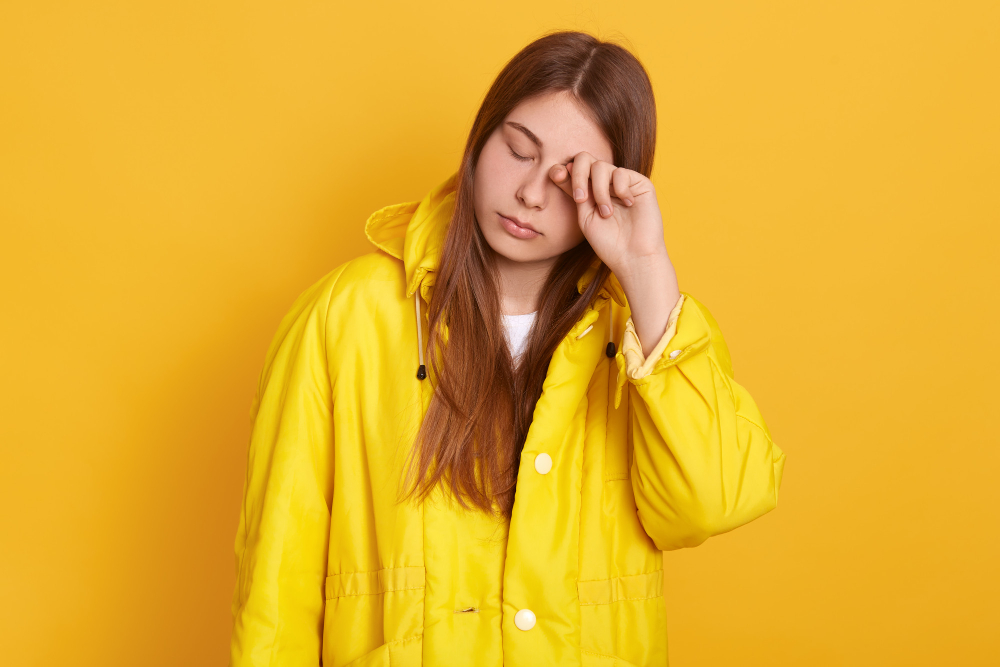
What is Blepharitis?
Blepharitis is a common eye condition. It causes swelling and redness along the edges of your eyelids. Often, people notice their eyelids feel itchy or look crusty. While blepharitis is not usually serious, it can be uncomfortable. Many people find that winter conditions make blepharitis symptoms worse. Understanding this condition can help you manage it better, especially during cold months.
Common Symptoms of Blepharitis
Blepharitis can cause several symptoms. Some may be mild, while others are more bothersome. For example, you might notice:
Sometimes, symptoms come and go. However, in winter, they may last longer or feel worse.
Causes and Risk Factors
Blepharitis happens when tiny oil glands near your eyelashes get blocked. As a result, bacteria can build up, causing irritation. There are several reasons why this can happen:
Some people are more likely to get blepharitis. For instance, if you have dry skin or wear contact lenses, your risk is higher. Additionally, older adults often experience this condition more often.
Why Winter Makes Blepharitis Worse
Winter can make blepharitis symptoms worse for several reasons. First, cold air outside and dry heat indoors can dry out your eyes. When your eyes are dry, your eyelids can become more irritated. Also, wind and low humidity can make your eyes water or feel gritty. Because people spend more time indoors during winter, dust and allergens can also build up. As a result, your eyelids may become more inflamed. According to the American Academy of Ophthalmology, dry winter air is a common trigger for eye irritation.
Diagnosis: How Blepharitis is Identified
If you think you have blepharitis, an eye doctor can help. Usually, they will:
Sometimes, they may take a small sample from your eyelid to check for bacteria. Early diagnosis can help you manage symptoms and prevent problems.
Treatment Options for Blepharitis
There are several ways to treat blepharitis. Most treatments focus on keeping your eyelids clean and reducing irritation. For example, your doctor may suggest:
In some cases, antibiotics may be needed. However, most people can manage symptoms with good eyelid care. The CDC recommends regular cleaning to help prevent flare-ups.
Winter Care Tips and Prevention
Taking extra care of your eyes in winter can help prevent blepharitis from getting worse. Here are some helpful tips:
Additionally, drinking plenty of water can help keep your eyes moist. If you wear contact lenses, follow your eye doctor’s advice for winter care.
When to See an Eye Specialist
If your symptoms do not improve with home care, it is time to see an eye specialist. Also, if you notice pain, vision changes, or swelling that gets worse, seek help right away. Early treatment can prevent complications and keep your eyes healthy. Remember, only a trained eye doctor can give you the best advice for your situation.
In summary, blepharitis is a common eyelid problem that can get worse in winter. With proper care and attention, you can manage symptoms and protect your eyes. Consult an eye specialist for personalized advice on managing blepharitis, especially during winter.